News

Blog Posts

rise of private credit

Australia’s real estate obsession fuels the rise of private credit as an income play

STOCKHEAD & THE AUSTRALIAN
Australia’s favourite asset isn’t listed on the ASX. It’s the thing people live in, argue over at auctions, and quietly trust as their financial foundation long after the dinner table conversations have ended.

Today, the residential property market is worth more than $12 trillion – much larger than the size of the Australian sharemarket – with about 55% of household wealth tied up in bricks and mortar.

Read More »
dwelling construction

Dwelling construction lifts as interest rates remain on hold

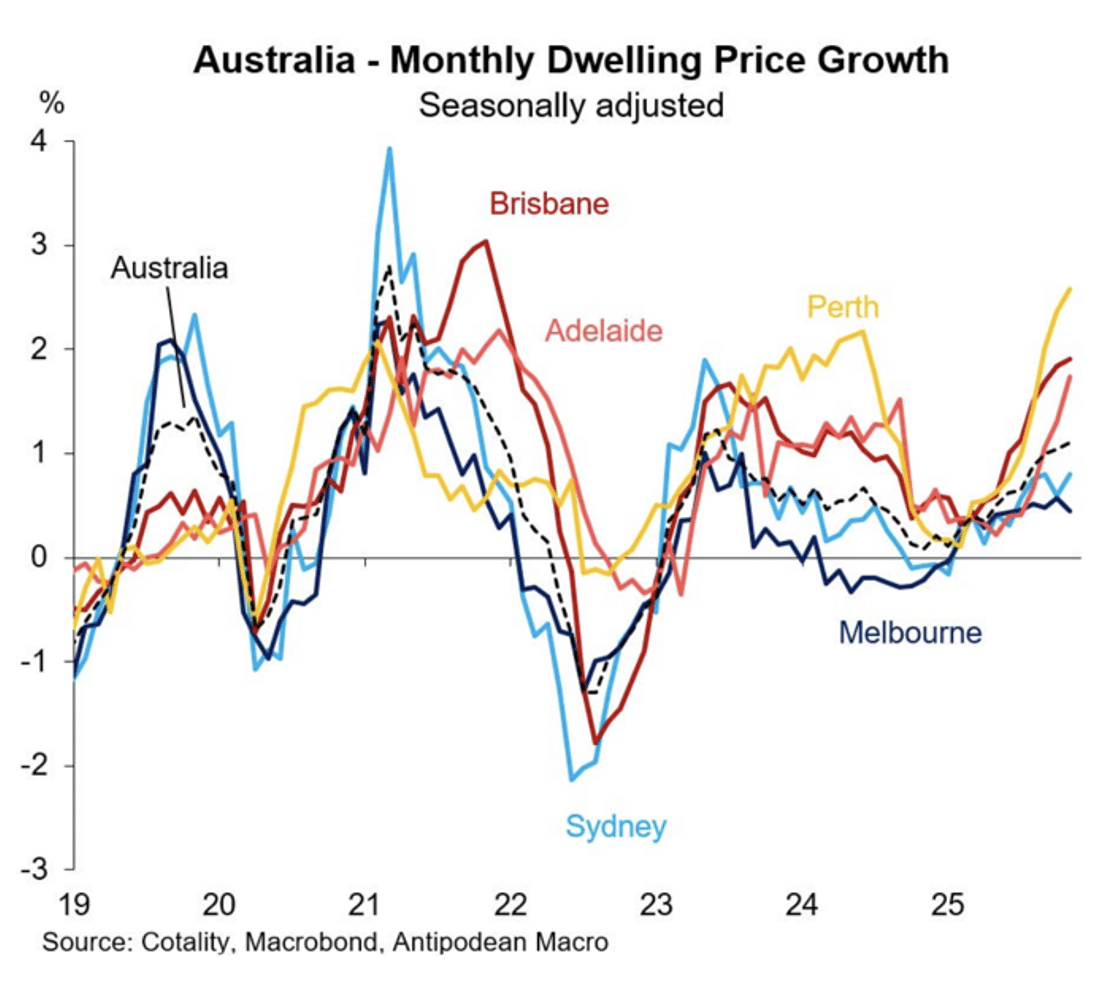
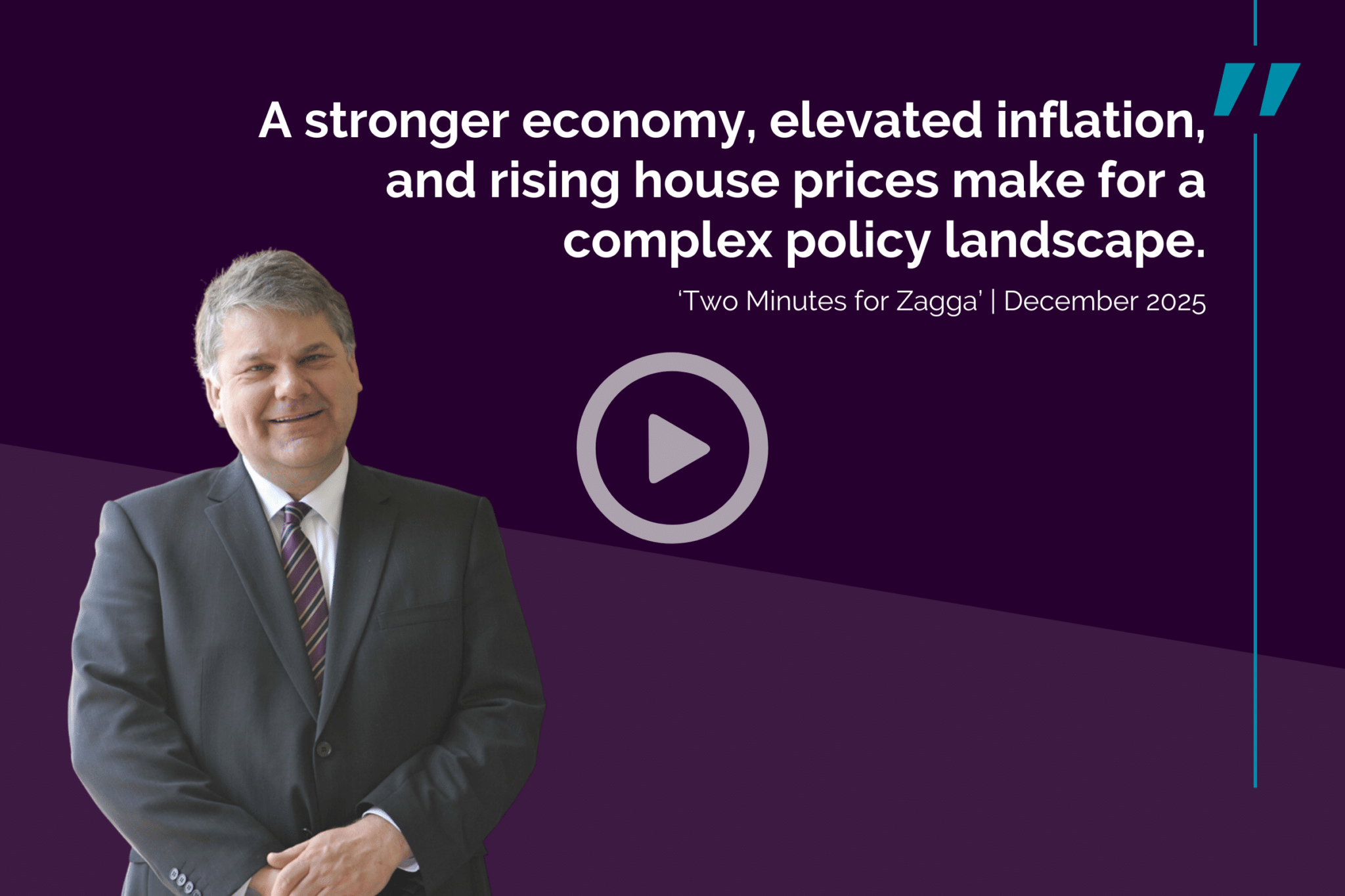
Mixed news on the economy and an uptick in inflation has seen the RBA move to a neutral bias for interest rates. This means that the medium turn outlook has switched from expectations for lower interest rates to one now steady interest rate settings are expected into 2026.

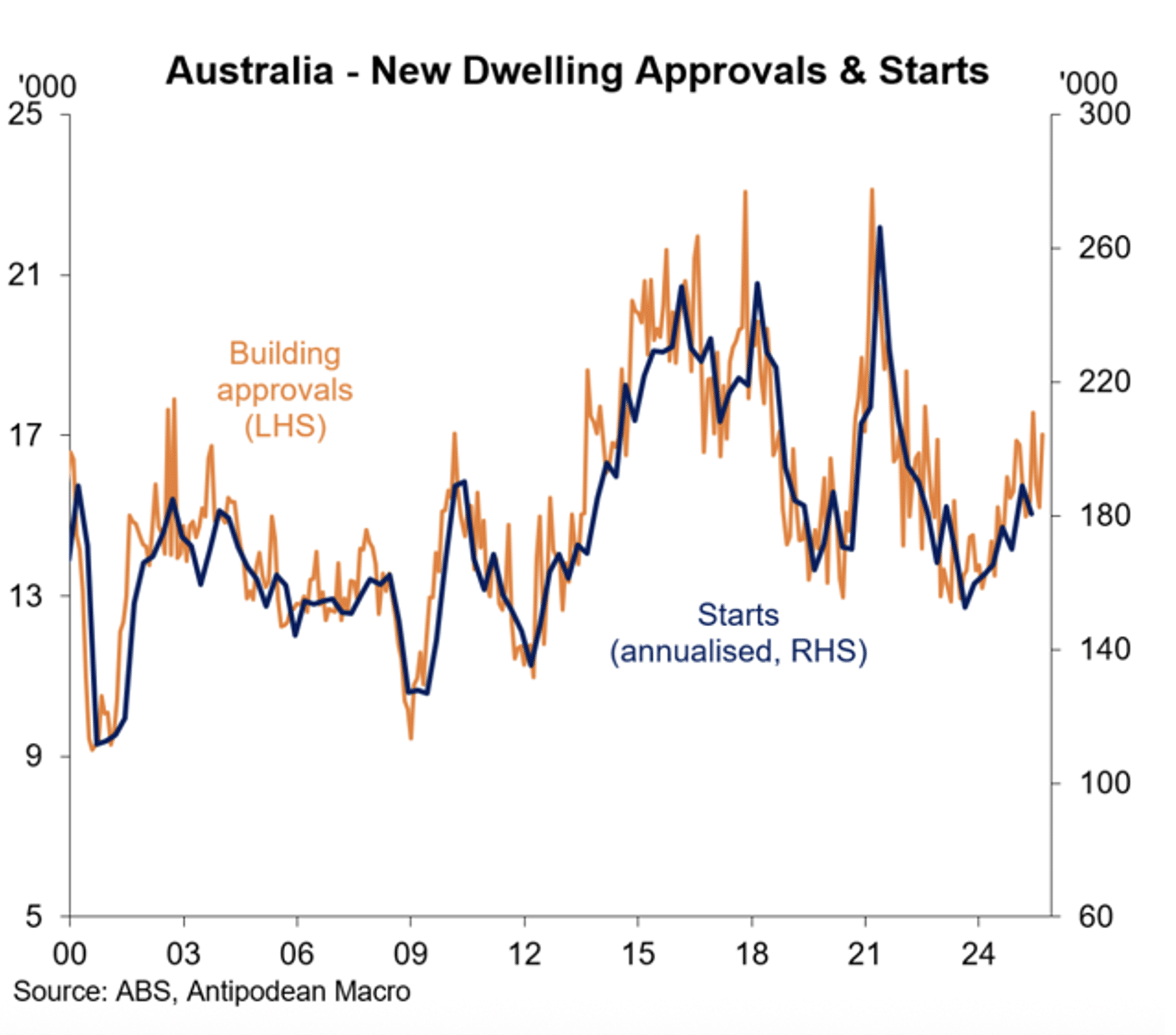
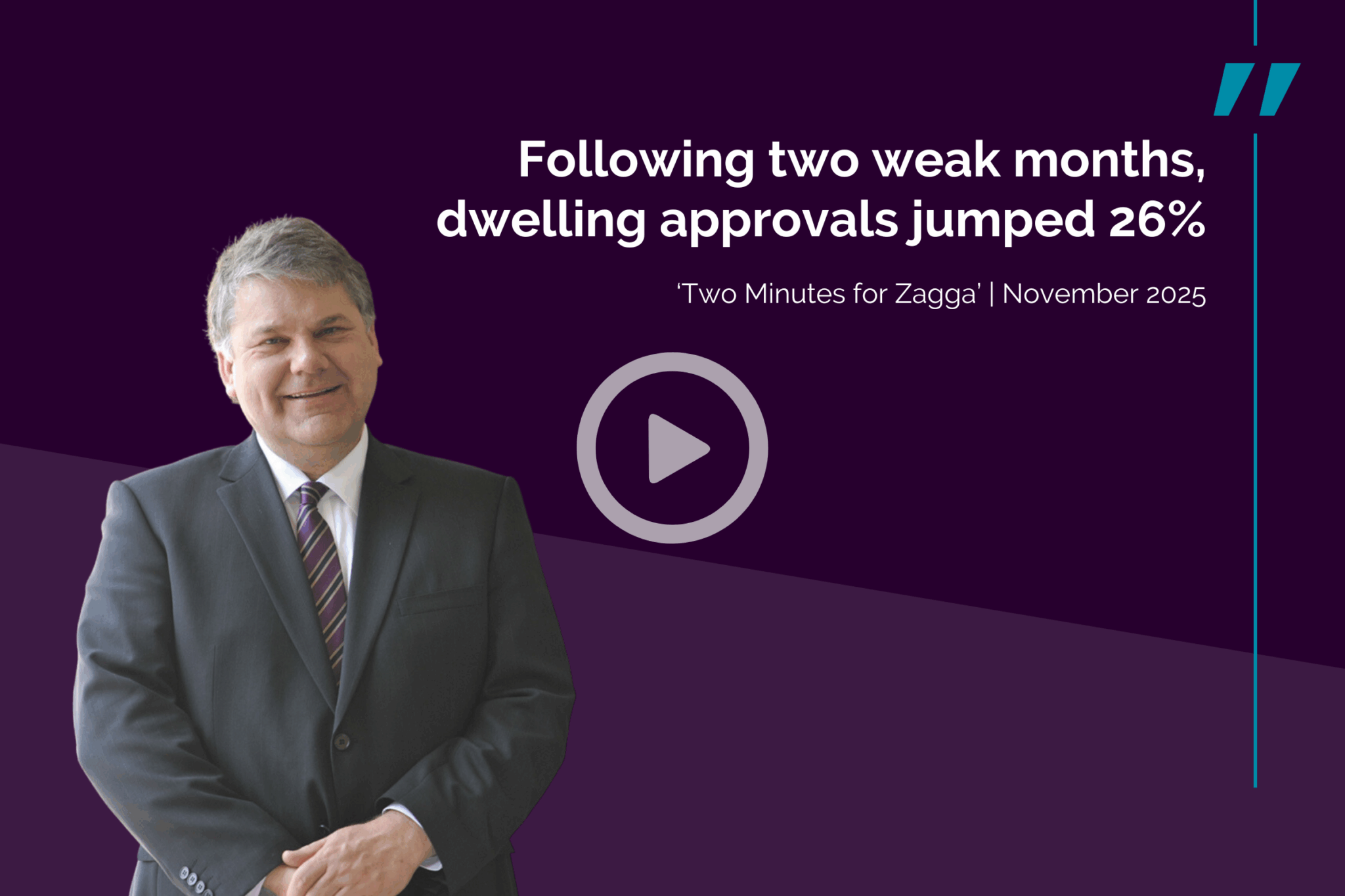
At the same time, the housing market is recovering. New dwelling building approvals have rebounded strongly although the level of activity remains below the rate needed to address the housing shortage.

Read More »
private credit paradox

Opinion: The private credit paradox

FINANCEASIA
Despite criticism, Roushana Sjahsam, Asean senior board adviser at investment firm Zagga, argues private credit is an emerging asset class for defensive, yield-seeking investors, who want diversification, stable income, and portfolio resilience.

Read More »
unemployment

Inflation up, unemployment up — what’s next for rates? 

October brought mixed signals for Australia’s economy — and a growing dilemma for the Reserve Bank.

The RBA held rates steady at its latest meeting, citing elevated inflation and a rising unemployment rate. With its dual mandate to support full employment and keep inflation near 2.5%, the central bank faces a tough choice: cut rates to support jobs, or hike to contain prices.

Read More »
investing in real estate Private Credit

3 ways to manage risk when investing in real estate private credit 

Real estate private credit can play defence in portfolios amidst heightened market volatility.

As real estate private credit dominates headlines, it is easy to believe it’s a new, speculative asset class that has just burst onto the scenes. In reality, it’s a globally proven, established asset class with decades of demonstrated success in building more defensive portfolios. In Australia, we are yet to fully realise the scale of this opportunity. By being proactive about risk management, exercising caution amidst uncertainty, and carefully balancing risk and returns, investors can take a risk-off approach to exploring an allocation to real estate private credit and help to unlock its full potential.

Read More »
private credit growth

The demise of hybrids to fuel private credit growth: Zagga

THE GOLDEN TIMES
With alternative investments having growing appeal, the need for self-funded retirees and their advisers to do their due diligence has never been more important – as a recent ASIC report highlighted.

The demise of the $40 billion hybrid market by 2032 will simply fuel the growing appeal of private credit – especially for self-funded retirees.

Read More »
unemployment

A jump in unemployment renews expectations for interest rate cuts

The unemployment rate spiked to a four year high of 4.5 per cent in September, up from 3.4 per cent at the low of the cycle and is now above the RBA’s forecast made in August for a peak of 4.3 per cent. The result rekindled expectations for further interest rate cuts, as soon as its next meeting on 4 November.

Recall that under the revised mandate of the RBA, maintaining full employment sits along side the inflation target as a fundamental objective of the Bank. The key data ahead of the next RBA meeting is the September quarter inflation data which is scheduled for 29 October.

Read More »

Do you have questions about investing through Zagga?​

Fill in your details to schedule a call back at a time that suits you.

We are collecting your personal information in order to contact you as requested. By clicking ‘Request a call back’, you acknowledge that you have read and understood our Privacy Policy, which outlines how we collect, use, and disclose your personal information.