News

Blog Posts

Spooked by rising rates and tariffs, private credit draws investors’ eyes

STOCKHEAD & THE AUSTRALIAN
‘Turbulent’ is how many investors define the month that was.

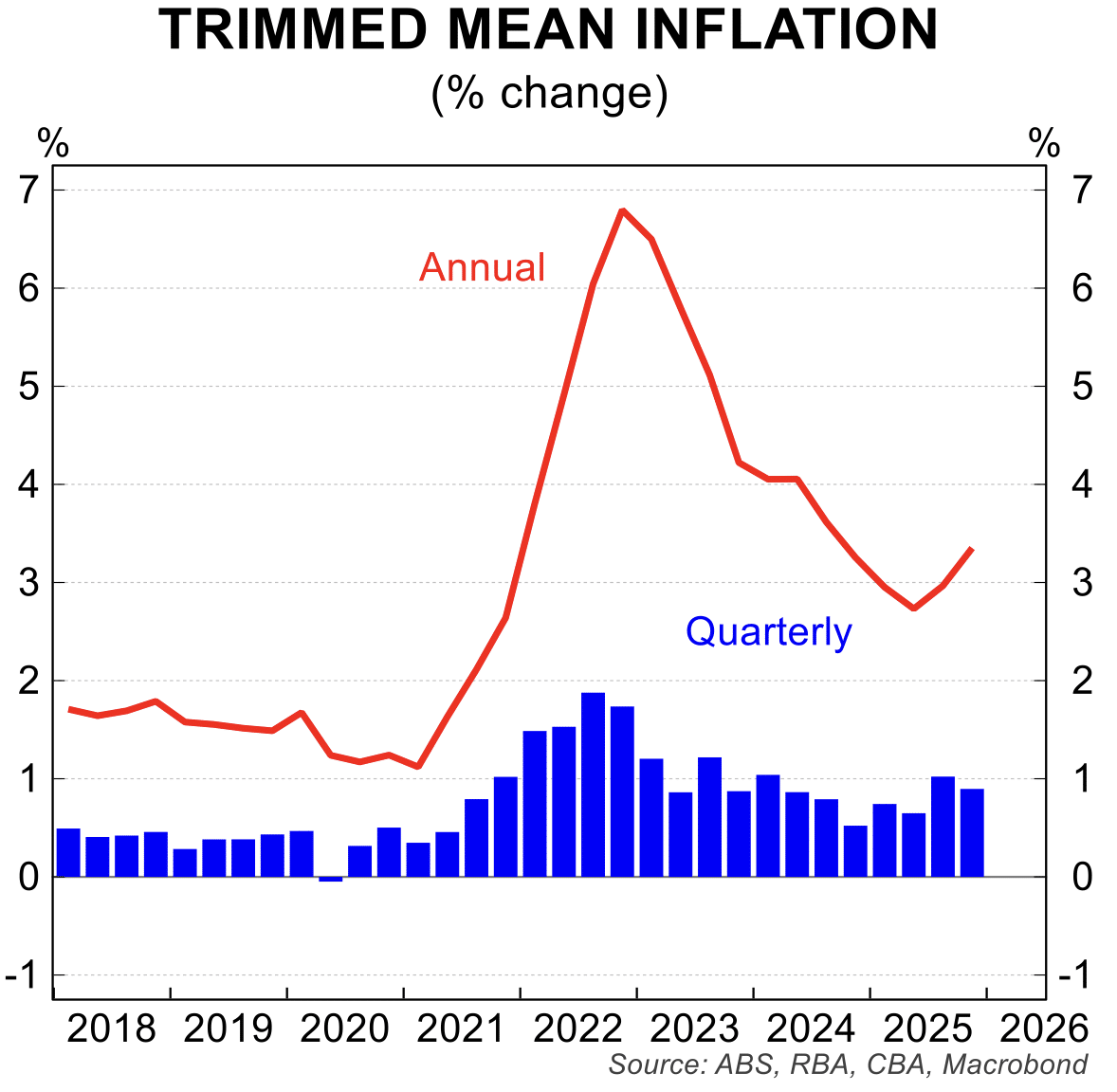
Locally, the Reserve Bank of Australia (RBA) passed on a rate rise due to stubborn and accelerated inflation, while, globally, Trump surprised with 15 per cent global tariffs, significantly higher than anticipated. Coupled with ongoing geopolitical tensions, persistent market volatility, and uncertain macro conditions, many investors are spooked.

Read More »
private credit growth

Australia’s private credit growth story is just the beginning

INVESTOR DAILY
Private credit is no longer a niche allocation, it is a core component of sophisticated portfolios – and nowhere is this more evident than in Australia’s real estate market.

For much of the past decade, investors have navigated a sequence of shocks: pandemic disruption, inflation spikes, rate tightening cycles, geopolitical tensions, and equity market turbulence.

Traditional portfolio construction models have been tested. The once-reliable negative correlation between equities and bonds is arguably gone forever. Income has become harder to secure, and capital preservation harder to guarantee.

This backdrop has provided the perfect conditions for private credit to come of age. In Australia, the market has surpassed AUD$220 billion in assets under management, growing nine percent year-on-year. Real estate private credit, in particular, is forecast to nearly double to $90 billion by 2029, according a review by Alvarez & Marsal late last year.

Read More »
geopolitical

The economic recovery continues to unfold as geopolitical issues escalate

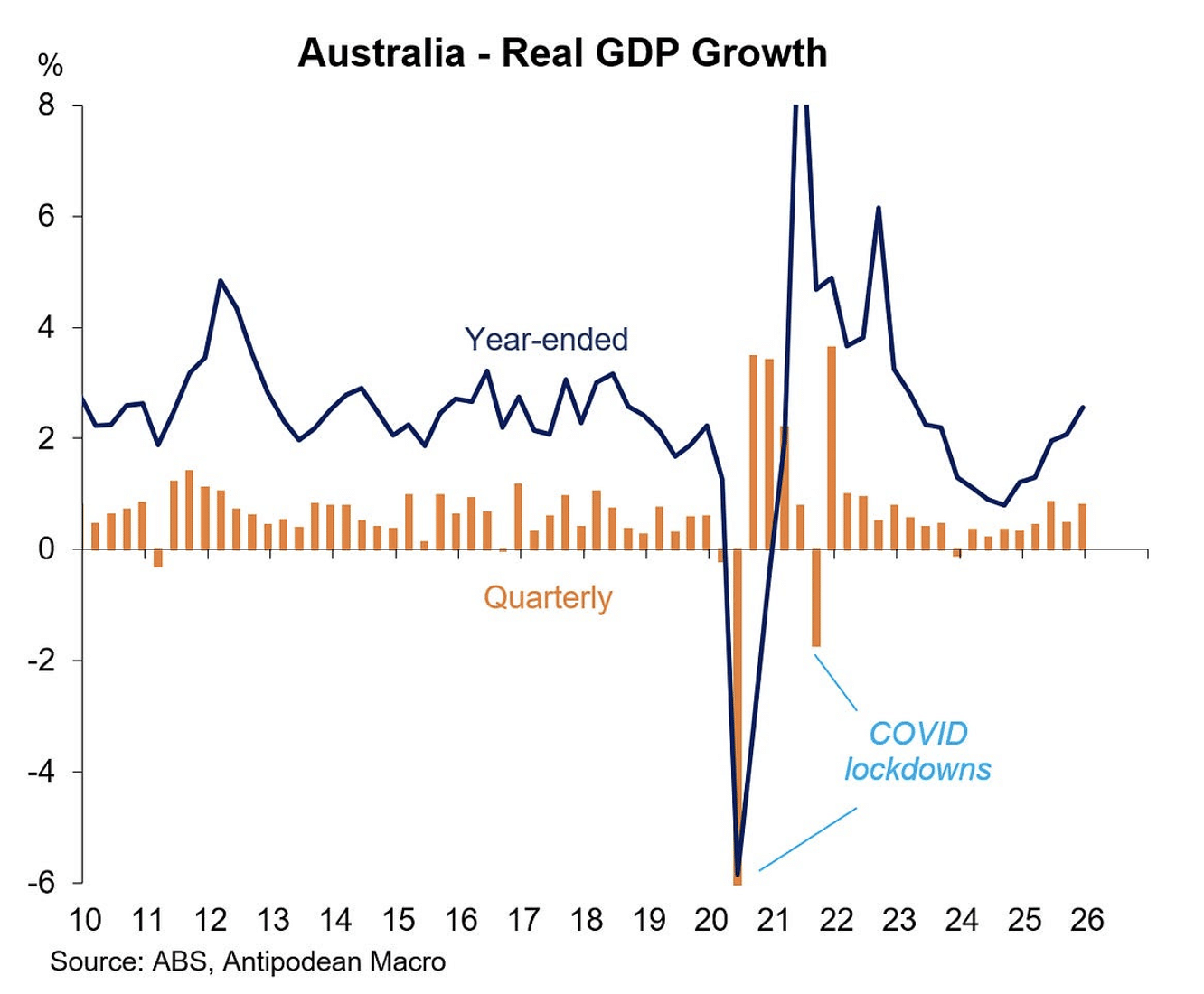
The earlier cautious optimism about an economic recovery is translating to confirmation about broader economic strength. While serious uncertainties dominate the global outlook amid elevated geopolitical threats to markets and economic activity, particularly in the Middle East, the domestic drivers of the economy are broadly positive.

A combination of prior interest rate cuts, moderate fiscal stimulus and an increase in commodity prices have helped to spark the more positive tone.

Read More »

The focus is on inflation as the RBA strives to get inflation back to target

The sudden and unexpected about-face in economic conditions saw the RBA move from cutting interest rates with a bias for more cuts in August 2025, to hiking them with a bias for more hikes in February 2026.
In simple terms, the facts on the economy changed.
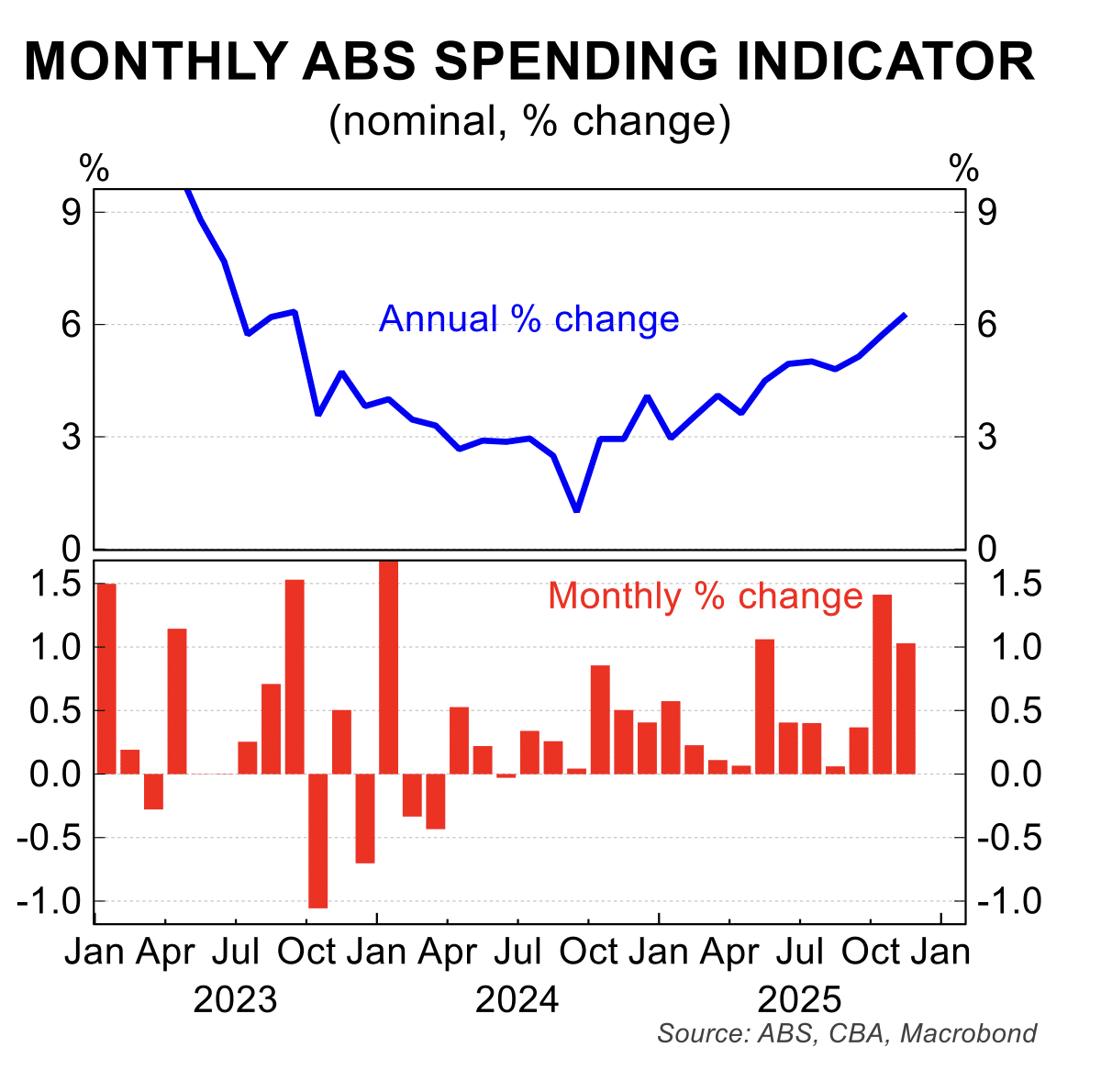
In data since the rate hike, there has been confirmation that household spending growth is registering moderate growth; business investment is lifting; unfortunately the recovery in the number of dwelling building approvals has stalled while consumer sentiment remains pessimistic.

Read More »

Real estate private credit hits its stride as Zagga keeps scaling

STOCKHEAD & THE AUSTRALIAN
If 2025 was the year real estate private credit stepped into the mainstream, 2026 could be shaping up as the year it becomes a permanent pillar of the financial system.

Australia’s private credit market now exceeds $220 billion and continues to enjoy close to double digit growth. Real estate private credit alone is forecast to approach $90 billion by the end of the decade.

What’s driving that momentum is not just investor appetite, but a structural reshaping of how property is funded.

Read More »

Mixed economic news complicates the RBA’s interest rate options

Signs of stronger economic activity have been tempered by softening labour market conditions, on going consumer pessimism and heightened global geo-political issues.

The recent data flow has confirmed a further pick up in economic activity, particularly household spending and dwelling construction. These are welcome outcomes after what has been more than two years of below trend growth. There are early but encouraging signs of a recovery in private sector business investment, which is vital to boost productivity. Growth in government demand is slowing as some key public sector projects are at or near completion.

Read More »
smsf potential

The $90 billion opportunity: SMSFs are realising new potential in Australian real estate

Australia’s SMSF sector has always had a deep affinity with property. Today, SMSF investors have approximately $139 billion invested in the property market, accounting for ~13 percent of total SMSF assets. Yet, with property prices at record highs and traditional income assets under pressure, SMSF trustees are increasingly looking beyond direct ownership to access the strength of Australian real estate. For many, the answer lies in real estate private credit – a segment once seen as niche, now emerging as a critical source of income, diversification, and stability for SMSF portfolios.

Read More »

Do you have questions about investing through Zagga?​

Fill in your details to schedule a call back at a time that suits you.