Stephen Koukoulas opens his April update by highlighting the dominant forces now shaping the economy and financial markets:
- oil prices,
- petrol supply,
- inflation,
- and interest rates.
These factors are central to the Reserve Bank’s thinking as it prepares for upcoming policy decisions.
Oil shock drives inflation concerns
Stephen notes that oil prices surged as geopolitical tensions intensified, reaching around US$115 per barrel before easing back to just under US$100. While prices have pulled back slightly, they remain well above pre‑crisis levels of US$65–70 per barrel, keeping cost pressures elevated.
These higher oil prices are feeding through to petrol, diesel, aviation fuel, and transport costs more broadly, with knock‑on effects for the availability and pricing of goods and materials across the economy. While there is cautious optimism that supply disruptions could ease, Stephen stresses the situation remains highly volatile.
Consumer confidence weakens, housing cools
Since the oil shock began, consumer sentiment has fallen sharply. That shift is beginning to show up in housing indicators. Auction clearance rates have edged lower, and prices in Sydney and Melbourne are now falling slightly, while Perth, Brisbane and Adelaide are still seeing price increases — though at a slower pace.
Rental vacancy rates remain low, with demand at the lower end of the market — supported by the first‑home‑buyer 5% deposit scheme — adding further complexity to housing conditions.
Growth risks emerge as spending slows
Stephen notes that while the economy finished 2025 on a solid footing, it was always expected to slow. The key question now is how sharp that slowdown may be.
Household spending is already showing signs of weakness. Internal bank data indicates slowing use of credit and debit cards, with consumers responding to higher prices by pulling back. Stephen emphasises that the household sector will be the “critical swing factor” that determines growth through 2026.
Interest rate outlook remains challenging
The official cash rate currently sits at 4.1%, but financial markets have priced in further tightening to a rate closer to 4.7% — around 60 basis points of additional hikes before year‑end. Though, Stephen cautions that markets have been wrong before, and that conditions can change quickly.
For the Reserve Bank, the central challenge is balancing the risk of weaker growth and higher unemployment against the need to return inflation to its 2–3% target range.
With two rate hikes already delivered, Stephen suggests the RBA may be able to pause for a month or two while more data becomes available.
Construction shows momentum — costs remain a constraint
Amid the uncertainty, there are encouraging signs in housing construction. Building approvals surged around 30% in the most recent month, reaching a five‑year high, driven largely by apartment approvals in Victoria.
This signals an upswing in construction activity, yet the sector is still grappling with higher input costs, which could limit the pace of new dwelling supply going forward.
The bottom line
Stephen concludes that while uncertainty is always part of economics, it feels “even more acute than ever” right now. High inflation and slower growth are the defining risks, and how long they persist — and how severe they become — will depend heavily on oil prices and household behaviour.
As he puts it, the challenge for 2026 is whether the economy comes through this tightening phase relatively intact, or takes some damage along the way.
Watch the full video below:
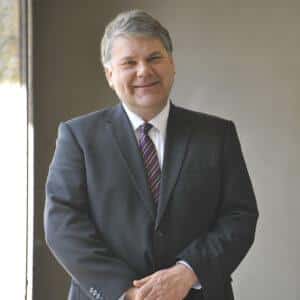
Stephen Koukoulas is Managing Director of Market Economics, having had 30 years as an economist in government, banking, financial markets and policy formulation. Stephen was Senior Economic Advisor to Prime Minister, Julia Gillard, worked in the Commonwealth Treasury and was the global head of economic research and strategy for TD Securities in London.